-
  • Article

What causes male infertility and how is it tested?

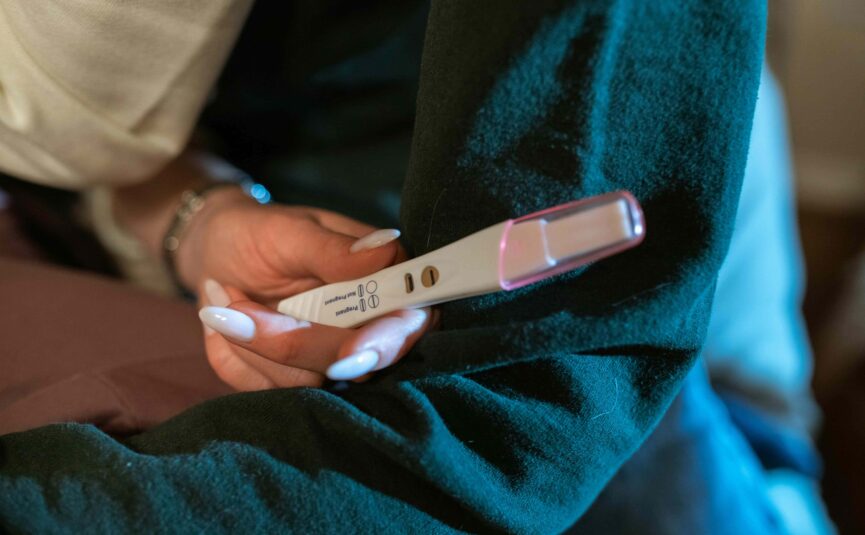
An image of a pregnancy test.

About one in six Australian couples experience difficulty conceiving, and in roughly a third of those cases, male infertility is a contributing factor. Many men still assume fertility testing is something only their partner needs. Understanding what causes male infertility, recognising the signs, and knowing what a male infertility test involves can shorten the path to answers, and to treatment, if it’s needed.

What causes male infertility?

Male infertility usually comes down to problems with sperm: how it’s made, how it moves, or whether it reaches the egg at all. In some men no clear cause is found (known as unexplained infertility), but for most, testing identifies one or more infertility causes.

How is male infertility tested?

If you and your partner haven’t conceived after 12 months of trying, or sooner if there’s a known risk factor, it’s worth booking a male infertility test. Testing usually starts simple and becomes more targeted based on the results.

Medical history and physical examination

Your fertility specialist will ask about past illnesses, surgeries, medications and lifestyle, then examine the testicles for size, lumps or signs of a varicocele.

Semen analysis

A semen analysis, also called a sperm analysis, is usually the first and most useful fertility test for men. It measures sperm count, movement (motility) and shape, and can flag issues such as low sperm count or poor sperm quality that might not otherwise cause symptoms.

Blood tests for hormones

Hormone testing checks testosterone, FSH and LH levels to see whether a hormonal cause is behind reduced fertility. Genetic testing may also be recommended if results suggest a chromosomal or inherited cause.

Imaging and additional tests

Depending on your results, your specialist may order a scrotal ultrasound to check for a varicocele, or further tests such as a post-ejaculation urine test if retrograde ejaculation is suspected.

What does a semen analysis show?

A semen analysis reports on sperm count, motility and morphology (shape), alongside semen volume and pH. Results outside the normal range don’t always mean you’re infertile. Many men with a lower than average count still achieve conception naturally or with support such as IVF or ICSI (intracytoplasmic sperm injection). Because sperm quality can vary from sample to sample, your specialist will usually ask for more than one test before drawing conclusions.

Can male infertility be treated?

Treatment depends on the cause. A varicocele can sometimes be corrected surgically, and hormonal problems may respond to hormone therapy. Blockages can occasionally be treated with surgery, and where the aim is simply to help you and your partner conceive, assisted reproductive technology, including IVF and ICSI, is often the most direct path. Improving general health, such as quitting smoking or reducing alcohol, can also support healthy sperm production, even though it won’t reverse every cause of infertility.

When should you see a fertility specialist?

See a fertility specialist if you haven’t conceived after 12 months of trying (or six months if your partner is over 35), or sooner if you notice signs of infertility in men such as pain or swelling in the testicles, changes in sexual function, or a history of undescended testicles or previous groin surgery. A male fertility check early on means any issues can be identified, and where possible addressed, before they affect your plans to grow your family.

Dr Joseph Sgroi provides male infertility testing and treatment as part of his fertility and IVF care in Melbourne, working with couples to understand the reproductive system as a whole rather than in isolation. To discuss your fertility diagnosis or arrange a semen analysis, book an appointment with Dr Joseph Sgroi.

Frequently asked questions