

-
  • Article
  • Gynaecology
  • Women's Health

PMOS and fertility: What you need to know

Woman smiling in the sunset

PMOS can affect fertility by disrupting ovulation, but having PMOS does not mean you cannot become pregnant. Previously known as polycystic ovary syndrome (PCOS), Polyendocrine Metabolic Ovarian Syndrome (PMOS) is a common hormonal and metabolic condition that can affect the menstrual cycle, ovulation and reproductive health.

PMOS affects around one in eight women worldwide, or more than 170 million women. While fertility problems are one possible effect, symptoms and their severity can vary considerably from person to person.

If you have PMOS and are trying to conceive, understanding how the condition affects your body can help you make informed decisions about fertility testing and treatment.

What is PMOS and how does it affect fertility?

PMOS is a hormonal and metabolic condition that can affect fertility by causing irregular or absent ovulation. The PMOS meaning, reflects the broader nature of the condition and its effects on multiple hormonal systems, metabolism and ovarian function.

When ovulation does not occur regularly, there are fewer opportunities for an egg to be fertilised. This is why ovulation disorders are a common contributor to infertility. Irregular periods can be an indication that ovulation is not occurring normally.

However, PMOS and fertility are highly individual. Some women with PMOS ovulate regularly and conceive naturally, while others may benefit from fertility testing or treatment.

What are the symptoms of PMOS?

PMOS symptoms vary between individuals and may involve reproductive, hormonal and metabolic changes. The condition can affect much more than the ovaries, which is one of the reasons its name was changed in 2026.

Common symptoms can include:

  • Irregular periods or an absent menstrual cycle
  • Irregular ovulation
  • Difficulty trying to conceive
  • Increased facial or body hair
  • Acne
  • Weight or metabolic changes
  • Hormonal imbalance

Not everyone with PMOS will experience the same symptoms. If irregular periods or other symptoms are affecting your reproductive health, a medical assessment can help determine whether PMOS or another condition may be involved.

PMOS vs PCOS

PMOS and PCOS refer to the same condition; PMOS is the new name introduced in 2026 for what was previously called polycystic ovary syndrome. The change was designed to better represent the condition as a complex endocrine and metabolic disorder rather than one defined primarily by ovarian “cysts”.

The international renaming process involved 56 patient and professional organisations and approximately 22,000 survey responses worldwide. The change does not mean that people previously diagnosed with PCOS have a different condition or need a new diagnosis.

For patients trying to differentiate PMOS vs PCOS, the most important thing to understand is the terminology rather than the underlying physical condition.

Can you get pregnant naturally with PMOS?

Yes, many people with PMOS can become pregnant naturally, although irregular ovulation can make conception more difficult for some. Your individual PMOS pregnancy chances can depend on factors including your age, frequency of ovulation, egg quality, sperm quality and whether other fertility factors are present.

As a general fertility guide, around 80-90% of women under 35 will conceive within one year of trying. However, PMOS may make predicting the fertile window more difficult when menstrual cycles and ovulation are irregular.

A fertility test or broader fertility assessment can help identify whether ovulation is occurring and whether there are additional factors affecting conception.

What fertility treatments are available for PMOS?

Fertility treatment for PMOS depends on why conception is difficult and may range from supporting ovulation to assisted reproductive technologies. Treatment should therefore be personalised rather than assuming that everyone with PMOS requires IVF.

Following fertility testing, treatment options may include lifestyle management where appropriate, medications to induce or regulate ovulation, intrauterine insemination (IUI) or IVF treatment.

The right PMOS treatment will depend on factors such as age, menstrual and ovulation patterns, how long you have been trying to conceive and the results of both partners’ fertility assessments.

Does IVF work for people with PMOS?

IVF can be an effective treatment option for some people with PMOS, particularly when other approaches have not resulted in pregnancy or additional fertility factors are present. IVF is a form of assisted reproductive technology in which eggs are collected from the ovaries, fertilised with sperm in a laboratory and an embryo is transferred to the uterus.

PMOS does not automatically mean IVF will be necessary. A fertility specialist may first consider other treatment options depending on your ovulation, age, fertility test results and reproductive history.

IVF success also varies between individuals. Various factors can influence the likelihood of success.

When should you see a fertility specialist about PMOS?

You should consider seeing a fertility specialist earlier if PMOS is causing irregular or absent periods or you are concerned about your ability to conceive. You do not necessarily need to wait 12 months if you already have symptoms or a known condition that may affect fertility.

As a general guide, we recommend healthy couples to seek help after 12 months of regular unprotected sex without conception. For women over 35, we advise seeking fertility advice after six months.

Personalised fertility care with Dr Joseph Sgroi

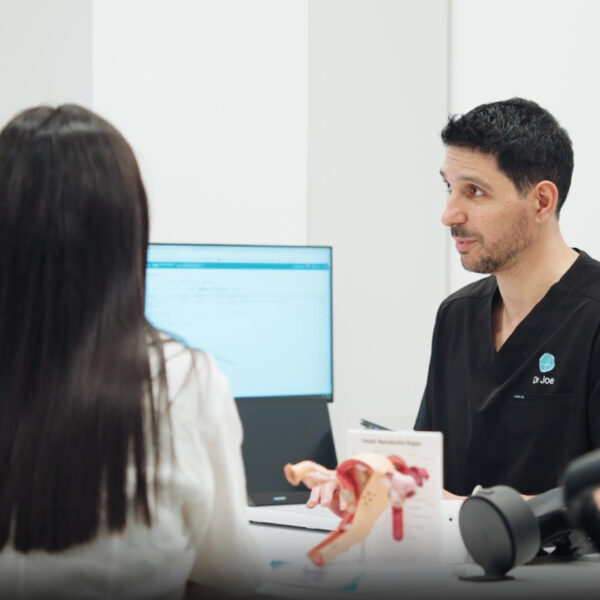
A personalised fertility assessment can help determine how PMOS is affecting your individual chances of conceiving. Dr Joseph Sgroi is an obstetrician, gynaecologist and fertility specialist in Melbourne who provides evidence-based fertility assessment and treatment tailored to each patient’s circumstances.

Whether you have recently been diagnosed with PMOS, are experiencing irregular periods or have been trying to conceive without success, Dr Sgroi can assess your reproductive health and discuss appropriate next steps.

Contact Dr Joseph Sgroi to arrange an appointment and discuss your fertility options.

Frequently Asked Questions