

-
  • Article
  • Fertility & IVF

IVF vs IUI: What’s the difference?

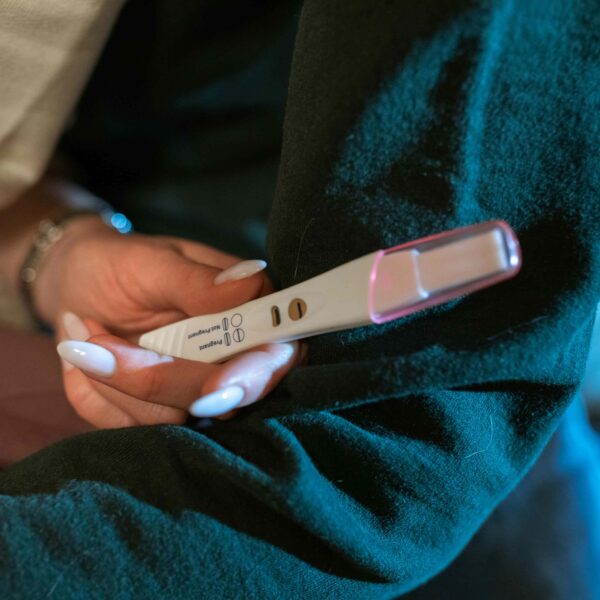
Pregnant woman sitting cross legged on couch.

IUI and IVF are both fertility treatments, but they help fertilisation happen in different ways. Intrauterine insemination (IUI) places prepared sperm directly into the uterus around the time of ovulation, while in vitro fertilisation (IVF) involves collecting eggs and fertilising them with sperm outside the body before an embryo is transferred to the uterus.

Choosing between IUI vs IVF is not simply a matter of selecting the treatment with the higher success rate. Your age, fertility testing results, sperm quality, ovulation, fallopian tubes and the underlying cause of infertility can all influence which approach may be appropriate.

Understanding the IUI process and IVF process can help you have a more informed conversation with your fertility specialist about your fertility treatment options.

What is the difference between IUI and IVF?

The main difference between IUI and IVF is where fertilisation takes place. With IUI fertility treatment, sperm is placed directly into the uterus so fertilisation can occur naturally inside the body. With IVF, eggs are retrieved from the ovaries and fertilised with sperm in a laboratory before an embryo transfer takes place.

IUI, sometimes referred to as artificial insemination, is generally a less invasive form of infertility treatment. IVF involves more stages, including ovarian stimulation, egg retrieval, fertilisation and embryo development.

The most appropriate option will depend on the reason you are having difficulty conceiving. IUI may be considered for some people before IVF, while IVF may be recommended where there are fertility factors that make IUI less suitable.

How does IUI work?

The IUI process involves placing prepared sperm directly into the uterus around the time an egg is released. This reduces the distance sperm need to travel to reach the egg and may increase the opportunity for fertilisation.

During the IUI procedure, healthy sperm are collected and concentrated before being inserted into the uterus through a thin catheter. Treatment can take place alongside a natural menstrual cycle or with fertility medication and ovulation induction to help time insemination.

IUI may be considered for certain fertility concerns, but its suitability depends on individual circumstances. Before recommending treatment, fertility testing can help assess factors such as ovulation, the reproductive tract and sperm quality.

How does IVF work?

The IVF process involves stimulating the ovaries, retrieving mature eggs, fertilising them in a laboratory and transferring an embryo into the uterus. In vitro fertilisation is a form of assisted reproductive technology used to treat a range of fertility concerns, including ovulation disorders, male factor infertility and unexplained infertility.

Treatment usually begins with ovarian stimulation using injectable fertility medication. Once the eggs have matured, egg retrieval is performed under a light anaesthetic. Sperm is then added to the eggs for fertilisation, with developing embryos monitored for approximately two to five days.

If suitable embryos develop, an embryo is transferred into the uterus or frozen for use in a future cycle. Around two weeks after embryo transfer, a blood test can determine whether pregnancy has occurred.

What are the success rates of IUI vs IVF?

IVF generally offers a higher chance of pregnancy per treatment cycle than IUI, but an individual IUI success rate or IVF success rate depends on several fertility factors. Age is particularly important, alongside the cause of infertility, ovarian reserve, egg and sperm quality and previous fertility history.

Success rates should therefore be interpreted in the context of your individual circumstances rather than used alone to choose between treatments. For example, a less invasive treatment may be appropriate where there is a reasonable chance of conception without proceeding immediately to IVF.

Age also matters when deciding how long to continue trying without treatment. Around 80–90% of women under 35 conceive within one year of trying, while women over 35 are generally advised to seek fertility advice after six months if they have not conceived.

Is IUI or IVF more invasive?

IUI is generally less invasive than IVF because it does not require egg retrieval or laboratory fertilisation.

IVF can consequently involve a greater physical and emotional commitment. One IVF cycle can take several weeks, and treatment may include injectable medications, blood tests and ultrasounds before eggs are collected.

However, choosing the least invasive treatment is not always the most effective approach. The underlying fertility issue should guide the treatment decision so that unnecessary procedures or delays can be avoided.

How do you know whether IUI or IVF is right for you?

The right choice between IUI or IVF depends on your fertility diagnosis, age, reproductive history and individual treatment goals. A fertility specialist can review these factors alongside fertility testing to recommend a personalised treatment pathway.

IUI may be suitable before IVF for some fertility concerns, while IVF may be considered when other approaches have been unsuccessful or where particular fertility factors reduce the likelihood of success with IUI.

Treatment decisions can also consider practical factors such as the cost of IUI and IVF, as well as the physical and emotional demands of treatment.

If you are considering your fertility treatment options, a personalised assessment at a trusted fertility clinic can help identify the most appropriate next step for your circumstances.

When should you speak to a fertility specialist about IUI or IVF?

You should consider speaking with a fertility specialist if you have been unable to conceive within the recommended timeframe or have a known fertility concern.

Earlier assessment may be appropriate if you have irregular or absent periods, painful periods, a history of endometriosis or pelvic inflammatory disease, previous miscarriages or known fertility problems. Male fertility factors are also important, with approximately 30% of fertility problems originating with the male.

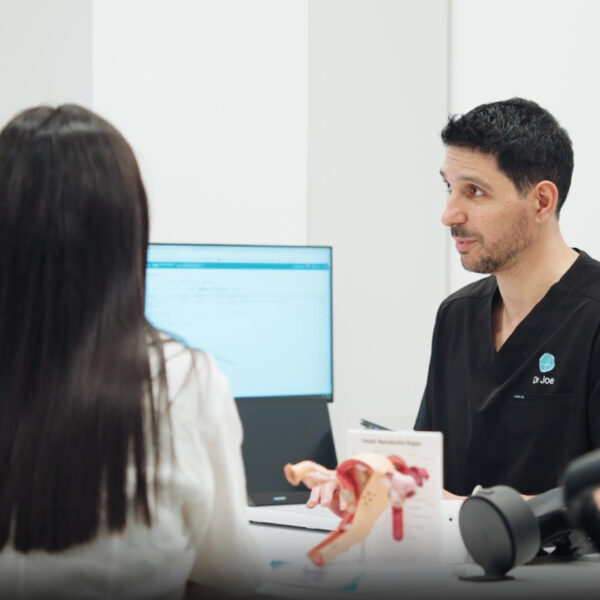
Dr Joseph Sgroi provides personalised fertility management and IVF treatment in Melbourne, with fertility testing used to understand the factors that may be affecting conception and guide appropriate treatment.

If you have questions about IUI, IVF or your fertility journey, get in contact with Dr Joseph Sgroi and his team to discuss your next steps.

Frequently asked questions