


-
  • Article
  • Fertility & IVF

IVF Explained: What to Expect with a Fertility Specialist

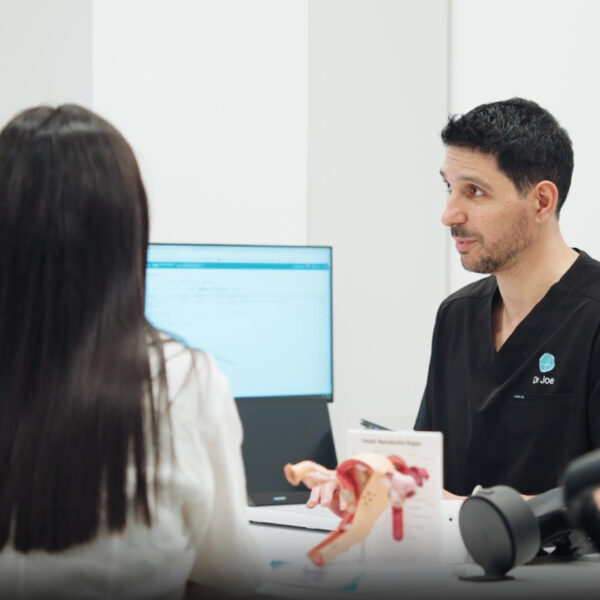
Clients talking to a fertility specialist

If you’ve been exploring fertility treatment options, you may have questions about what IVF involves, whether it’s right for you, and what to expect throughout the process. For many individuals and couples, IVF can feel overwhelming at first, particularly when navigating unfamiliar medical terminology and treatment pathways.

This guide provides an overview of IVF, covering the meaning of IVF, what IVF is, how the IVF process works, and what to expect when working with a fertility specialist. Understanding each stage can help you feel more informed and confident as you begin your fertility journey.

When Should You See a Fertility Specialist About IVF?

Not everyone experiencing difficulty conceiving requires IVF treatment. However, it may be appropriate to consult a fertility doctor if you have been trying to conceive without success, have known reproductive health concerns, or wish to explore your fertility options proactively.

A reproductive specialist can assess your individual circumstances and determine whether IVF treatment may be appropriate or whether alternative fertility treatment options should be considered first.

Early assessment may be particularly beneficial for women over 35, individuals with existing fertility concerns, or couples who have experienced recurrent pregnancy loss.

As a general guide, roughly 80–90% of women under 35 conceive within one year of trying. For women over 35, the recommended timeframe is six months – if you have not yet conceived by this point, it is worth contacting Dr Joseph to discuss your options. If you are experiencing irregular or absent periods, painful periods, a history of endometriosis or pelvic inflammatory disease, or previous miscarriages, earlier assessment is recommended regardless of age.

Your First IVF Consultation: What to Expect

The first appointment is focused on understanding your medical history, reproductive goals and any previous fertility investigations.

During your consultation, your fertility doctor will discuss:

  • Your menstrual and reproductive history
  • Previous pregnancies or fertility treatments
  • Lifestyle factors that may influence fertility
  • Family planning goals
  • Any known medical conditions

This appointment is also an opportunity to discuss concerns, ask questions and better understand how assisted reproductive technology may fit into your reproductive planning.

Many patients find reassurance in knowing that fertility care is highly individualised and tailored to their circumstances.

Fertility Testing Before IVF: Understanding Your Assessment

Before beginning IVF treatment, your specialist will usually recommend a comprehensive fertility assessment.

This can include:

  • Female fertility testing
  • Pelvic ultrasound and tubal patency testing
  • Chromosomal testing and genetic screening (where required)
  • Semen analysis
  • Diagnostic laparoscopy or hysteroscopy (where required)

Fertility testing helps identify potential barriers to conception and supports an accurate fertility diagnosis.

Depending on your circumstances, your assessment may involve blood tests during IVF preparation as well as ultrasound monitoring to evaluate ovarian reserve and reproductive health.

These investigations allow your specialist to develop a personalised treatment plan and provide the appropriate steps to your fertility journey.

The IVF Process Step by Step

Many patients ask, “How does IVF work?” or “What is IVF exactly?”

In vitro fertilisation is a form of assisted reproductive technology where eggs are collected from the ovaries, fertilised with sperm in a laboratory and then transferred into the uterus.

How Long Does the IVF Process Take?

The IVF process varies from person to person, but a typical cycle generally takes four to six weeks from the start of ovarian stimulation to pregnancy testing.

Additional treatment cycles, embryo freezing or further investigations may extend this timeline depending on individual circumstances.

Because every patient’s fertility journey is unique, your specialist will provide a personalised timeframe based on your treatment plan and reproductive health needs.

Understanding IVF Success Rates and Factors That Influence Outcomes

One of the most common questions patients ask is, “How successful is IVF?”

IVF success rates vary depending on several factors, including:

  • Maternal age
  • Egg quality
  • Sperm quality
  • Underlying fertility diagnosis
  • Overall reproductive health
  • Lifestyle factors

While success rates can provide useful guidance, they cannot predict individual outcomes.

Your reproductive specialist can discuss realistic expectations based on your specific circumstances and help you understand the factors that may influence treatment success.

Patients should remember that IVF is just one of several infertility treatment pathways available. In some cases, alternative fertility treatment options may be recommended before proceeding with IVF.

Regarding the cost of IVF, it can vary depending on individual treatment requirements, medications, investigations and the fertility specialist involved. Your specialist can provide detailed information about fees and available support options during your consultation.

Dr J holding a new born baby

Compassionate Fertility Care with Dr Joseph Sgroi

Beginning fertility treatment can feel overwhelming, but you do not have to navigate the process alone.

Dr Joseph Sgroi provides personalised fertility care, comprehensive fertility assessment and evidence-based treatment recommendations tailored to each patient’s needs. Whether you are considering IVF, exploring fertility counselling, or seeking guidance about your reproductive planning options, Dr Sgroi and his team are committed to providing expert conception support throughout your journey.

To learn more about IVF treatment or arrange a consultation, contact Dr Joseph Sgroi today.

Frequently Asked Questions