
-
  • Article
  • Fertility & IVF
  • Women's Health

Endometriosis Symptoms: When to See a Specialist

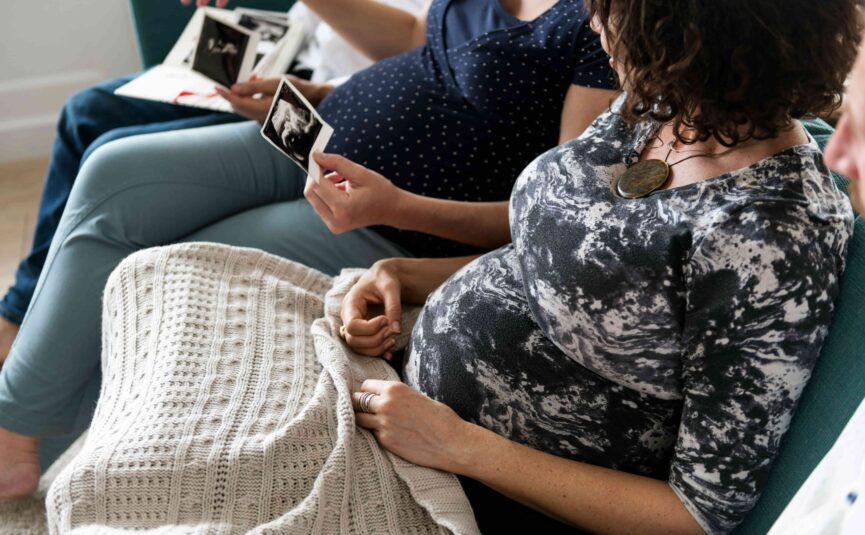
Pregnant women sitting together during a prenatal support group, holding ultrasound photos and discussing pregnancy and fertility care.

Endometriosis is a common but often misunderstood condition affecting many women of reproductive age. Because symptoms can vary widely – and are sometimes dismissed as “normal period pain” – diagnosis is often delayed.

Recognising the signs early and knowing when to see a specialist can help prevent long-term complications and improve quality of life.

What Is Endometriosis?

Endometriosis occurs when tissue similar to the lining of the uterus grows outside the uterus. This can cause inflammation, pain, and sometimes fertility issues.

Common Symptoms of Endometriosis

Symptoms can range from mild to severe and may include:

Painful Periods
Severe menstrual cramps that:

  • Start before your period
  • Continue during or after
  • Interfere with daily activities

Chronic Pelvic Pain

Ongoing pain in the lower abdomen or pelvis, even outside of menstruation.

Pain During Intercourse
Pain during or after sex is a common but often underreported symptom.

Heavy or Irregular Bleeding
This may include:

  • Heavy periods
  • Spotting between cycles

Pain with Bowel Movements or Urination

Especially during menstruation.

Difficulty Getting Pregnant

Endometriosis is associated with fertility challenges in some women.

When Should You See a Specialist?

You should consider seeing a specialist if:

  • Pain is severe or worsening over time
  • Symptoms are affecting your work, relationships, or daily life
  • Over-the-counter pain relief is no longer effective
  • You’ve been trying to conceive without success
  • You have a family history of endometriosis

Why Early Diagnosis Is Important

Endometriosis can progress if left untreated. Early diagnosis allows for:

  • Better symptom management
  • Slower disease progression
  • Improved fertility outcomes

How Is Endometriosis Diagnosed?

Diagnosis may involve:

  • Detailed medical history
  • Pelvic examination
  • Ultrasound imaging
  • Laparoscopy (in some cases)

Treatment Options

Treatment depends on your symptoms and goals, and may include:

  • Pain management strategies
  • Hormonal therapies
  • Minimally invasive surgery
  • Fertility treatments (if needed)

You Don’t Have to Live with the Pain

Severe period pain is not something you have to “just put up with.” If your symptoms are interfering with your life, it’s worth seeking expert care.