-
  • Article
  • Fertility & IVF
  • Pregnancy
  • Women's Health

Navigating Fertility in Your 30s & 40s: What Are Your Options?

Pregnant lady in yellow dress.

Many women today are choosing to start or grow their families later in life. Whether this is due to career goals, relationships, health considerations or personal circumstances, it’s natural to have questions about how age may affect fertility and what options are available.

While fertility changes over time, there are a range of fertility treatment options that can help support your family planning goals. Understanding your fertility can help you make informed decisions and seek advice when needed.

How Does Age Affect Female Fertility?

Female fertility naturally declines with age. Women are born with all the eggs they will ever have, and both the number and quality of those eggs decrease over time.

These age-related fertility changes happen gradually but become more noticeable from the mid-30s onwards. While many women conceive naturally throughout their 30s and even into their 40s, age can affect the likelihood of pregnancy and increase the time it takes to conceive.

It’s important to remember that fertility is highly individual. Some women experience fertility challenges earlier, while others may have few difficulties conceiving later in life. A fertility specialist can help assess your individual circumstances and provide guidance based on your individual reproductive health.

Understanding Fertility in Your 30s: What Changes and What Stays the Same

For many women, fertility in your 30s remains relatively strong, particularly during the early years of the decade.

However, fertility decline with age becomes more significant after 35 as ovarian reserve and egg quality gradually decrease. While many women continue to achieve natural conception during this time, fertility may not be as predictable as it was in their 20s.

Your 30s can also be an important time to think about reproductive planning. If you’re not ready to have children but would like to keep your options open, fertility preservation through egg freezing may be worth discussing with a reproductive specialist.

Understanding your fertility status early is crucial when guiding future decisions and provides greater confidence when planning for pregnancy.

Understanding Fertility in Your 40s: Challenges and Opportunities

Fertility in your 40s often comes with additional considerations.

As egg quality and fertility continue to decline, it can become more difficult to conceive naturally. The risk of miscarriage and chromosomal abnormalities also increases with age.

Despite these challenges, many women still achieve pregnancy in their 40s, either naturally or with fertility support. Advances in IVF treatment and assisted reproductive technology have created more opportunities than ever before for women pursuing pregnancy later in life.

Because outcomes can vary significantly between individuals, seeking advice from a fertility specialist can help you better understand your fertility options and develop a personalised plan.

When Should You See a Fertility Specialist?

Many patients wonder when it is time to seek help.

You may benefit from seeing a fertility specialist if:

  • You are under 35 and have been trying to conceive for 12 months without success
  • You are over 35 and have been trying to conceive for six months
  • You have irregular or absent menstrual cycles
  • You have a known reproductive health condition
  • You have experienced recurrent miscarriage
  • You are considering egg freezing or fertility preservation

Early assessment can help identify potential concerns and provide reassurance about your next steps.

What Fertility Tests Can Help Assess Your Reproductive Health?

A fertility assessment can provide valuable information about your reproductive health and help identify factors that may be affecting fertility.


Hormone Testing and Ovarian Reserve Assessment

Hormone testing is commonly used to assess ovarian reserve and reproductive function.

This may include an AMH test, which measures Anti-Müllerian Hormone levels. While no single test can predict your ability to conceive, ovarian reserve testing can provide useful information about the number of eggs remaining in the ovaries.

These results form part of a broader fertility diagnosis and help guide future treatment decisions.


Ultrasound Assessment

Ultrasound plays an important role in fertility screening.

It allows your specialist to assess the uterus and ovaries, identify any abnormalities and evaluate ovarian reserve. This information contributes to a more complete understanding of your fertility and reproductive health.


Male Fertility Testing

Fertility challenges can affect both partners.

As part of a comprehensive fertility assessment, semen analysis is often recommended. Assessing both male and female factors helps ensure the most appropriate fertility care and conception support can be provided.


What Are Your Fertility Treatment Options?

The most suitable treatment depends on your age, fertility diagnosis, reproductive goals and overall health.

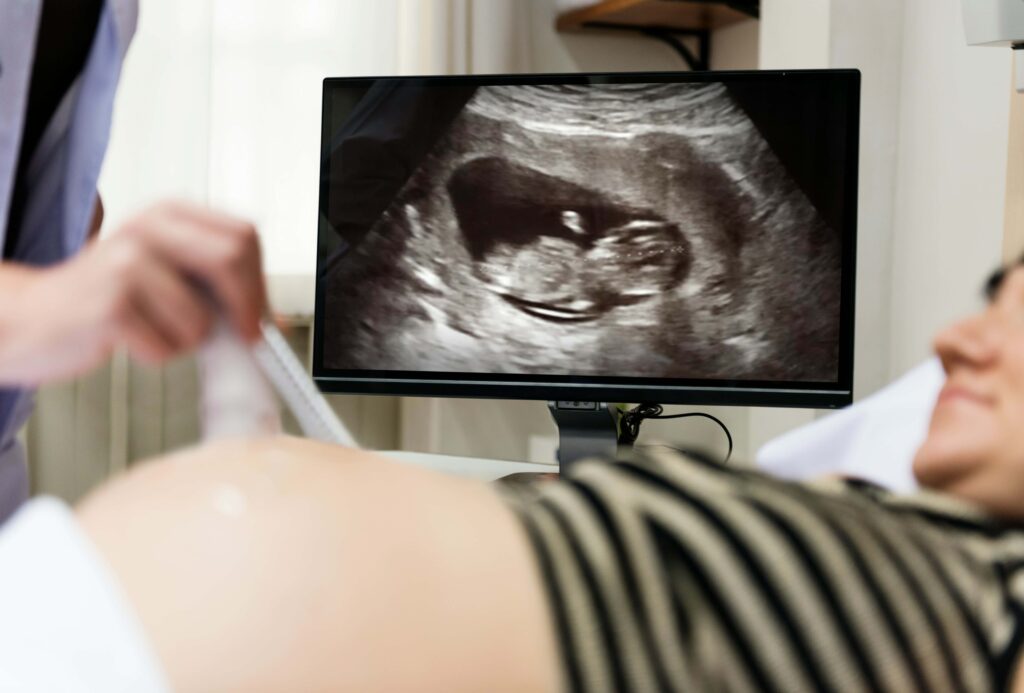
Patient seeing baby with an ultra-sound

Personalised Fertility Care with Dr Joseph Sgroi

No two fertility journeys are the same.

Whether you are considering fertility testing, exploring egg freezing, seeking fertility counselling or looking for guidance about IVF, personalised advice can help you better understand your options.

Dr Joseph Sgroi provides comprehensive fertility assessment, evidence-based care and individualised treatment plans tailored to each patient’s needs. Through ongoing fertility support and expert guidance, he can help you make informed decisions about your reproductive future.

To learn more about your fertility options or arrange a consultation, contact Dr Joseph Sgroi today.

Frequently Asked Questions