-
  • Fertility & IVF

Fertility preservation

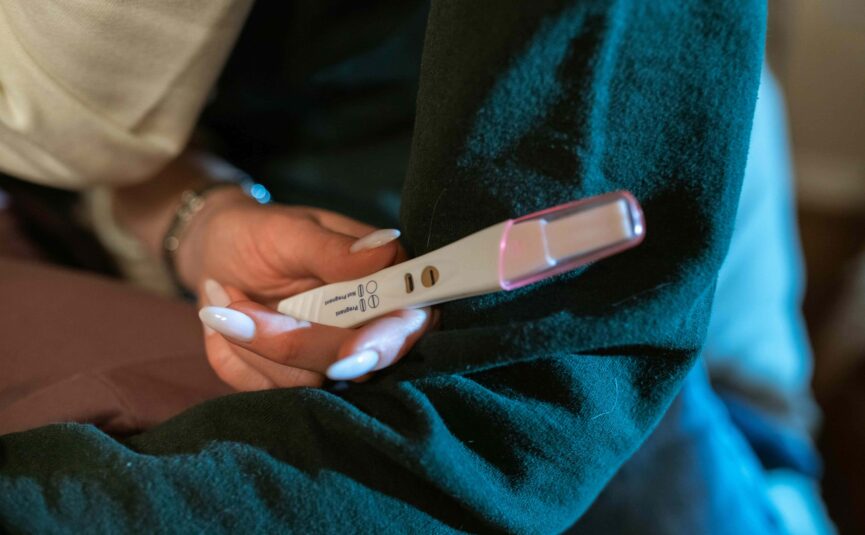
An image of a pregnancy test.

Fertility preservation allows women to protect their reproductive options for the future, whether they’re preparing for medical treatment or simply aren’t ready to start a family.

As an experienced fertility specialist in Melbourne, Dr Joseph Sgroi provides personalised fertility preservation care, helping women understand their options and make informed decisions about their reproductive health.
On this page

What is fertility preservation?

Fertility preservation involves treatments designed to protect or store reproductive cells or tissue for potential future use.

It may be recommended before medical treatments that could affect fertility, or chosen for personal reasons, such as delaying pregnancy.

A fertility preservation specialist can help determine the most appropriate approach based on your age, medical history, ovarian reserve and future family plans.

Fertility preservation before cancer treatment

Cancer treatments, including chemotherapy and radiation, can temporarily or permanently affect a woman’s ability to conceive.

These treatments may impact fertility through:

  • Ovarian damage: Chemotherapy can damage eggs and ovarian follicles, potentially reducing ovarian function.
  • Hormonal changes: Treatment may disrupt the hormones responsible for ovulation.
  • Reproductive organ damage: Radiation involving the pelvis can affect the uterus, ovaries or fallopian tubes.

Dr Joseph Sgroi works alongside oncologists to help women explore fertility preservation before cancer treatment begins.

Depending on your circumstances, options may include medication to reduce ovarian damage, freezing eggs or embryos, or ovarian tissue preservation.

Because some cancer treatments must begin quickly, early discussions with your medical team are particularly important.

What fertility preservation options are available?

There are several fertility preservation options, with the most suitable approach depending on your circumstances.

Fertility preservation for personal reasons

Not all women pursue fertility preservation for medical reasons.

Elective egg freezing is increasingly considered by women who want children in the future but aren’t ready to begin their family due to personal, relationship or career circumstances.

Because egg quantity and quality decline with age, freezing eggs earlier may provide a better opportunity for future pregnancy.

However, egg freezing doesn’t guarantee a successful pregnancy, and the decision should consider your individual circumstances.

What is the best age to freeze eggs?

The best age to freeze eggs depends on your reproductive goals, ovarian reserve and personal circumstances.

Dr Joseph generally recommends considering egg freezing before 35, when egg quality and quantity are typically higher.

According to the Victorian Assisted Reproductive Treatment Authority, women aged 35 or younger collected an average of 13 eggs per retrieval in Victorian clinic data from 2019, compared with seven eggs among women aged 40 or older.

Understanding egg freezing success rates

The likelihood of having a baby using frozen eggs depends on several factors, particularly your age when the eggs were collected and the number of mature eggs stored.

Not every frozen egg will survive thawing, fertilise successfully or develop into an embryo suitable for transfer.

Dr Joseph discusses these factors during fertility consultations, helping patients understand realistic expectations and whether multiple egg collection cycles may be appropriate.

Discuss your fertility preservation options

Fertility preservation is a personal decision, and the most suitable approach will depend on your age, medical history and future family plans.

If you’re considering your options, Dr Joseph Sgroi can help you understand the treatments available and what may be appropriate for your circumstances. Contact Dr Joseph’s team to arrange a consultation.