-

Stress urinary incontinence

Stress urinary incontinence (SUI) is involuntary urine leakage during activity like coughing or exercise. It affects up to 1 in 3 women, caused by weakened bladder and urethra support. Treatments range from pelvic floor physiotherapy and lifestyle changes to surgical options like mid-urethral slings.

What is stress urinary incontinence?

Stress urinary incontinence occurs when pressure placed on your bladder causes urine to leak. This can happen during everyday activities such as coughing, sneezing, laughing, exercising, running or lifting something heavy.

Normally, the pelvic floor muscles and surrounding tissues help support the bladder and urethra and maintain bladder control. If this support becomes weaker, increases in abdominal pressure can make it more difficult to prevent urine leakage.

SUI is common, but that doesn’t mean you simply have to live with it. If urinary leakage is affecting your exercise, work, social activities or everyday life, assessment can help identify the cause and appropriate treatment options.

What causes stress urinary incontinence?

Stress urinary incontinence can develop when the muscles and tissues supporting the bladder and urethra become weakened or damaged.

Factors that can contribute include:

  • pregnancy and childbirth
  • changes associated with menopause and ageing
  • being overweight
  • chronic coughing
  • constipation and repeated straining
  • activities involving frequent heavy lifting
  • previous pelvic surgery.

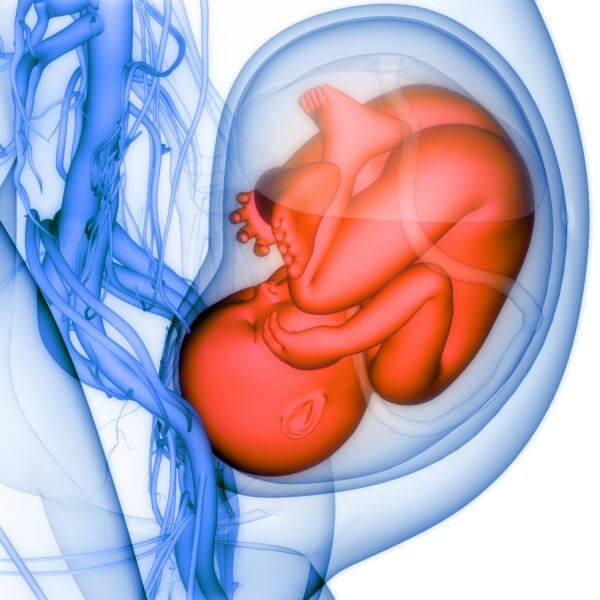
Pregnancy and childbirth can place considerable strain on the pelvic floor. Dr Joseph recommends pelvic floor exercises during pregnancy and after birth to help support the muscles responsible for bladder and bowel control.

What are the symptoms of SUI?

The main symptom is involuntary urine leakage when pressure is placed on the bladder.

You might notice leakage when:

  • coughing or sneezing
  • laughing
  • running or jumping
  • exercising
  • lifting
  • changing position or making sudden movements.

The amount of leakage can vary considerably. For some women, it may only be a few drops during strenuous exercise, while for others it can interfere with everyday activities.

How is stress urinary incontinence diagnosed?

Assessment usually begins with discussing your symptoms, medical history, pregnancies and births, and how urinary leakage is affecting your daily life.

Your doctor may also assess your pelvic floor and consider whether another condition could be contributing to your symptoms. This is important because urinary incontinence can have different causes and treatment should be based on the type of incontinence you are experiencing.

If you’re experiencing other pelvic floor symptoms, such as pressure, heaviness or a vaginal bulge, assessment for pelvic organ prolapse may also be appropriate.

How is SUI treated?

Treatment depends on the severity of your symptoms, their underlying cause and how much they affect your quality of life.

Pelvic floor muscle training is often an important first step. A women’s health or pelvic floor physiotherapist can assess how your pelvic floor muscles are functioning and develop an individual exercise program.

Lifestyle changes may also help in some circumstances, including managing constipation, addressing persistent coughing and maintaining a healthy weight.

When is surgery considered for SUI?

If symptoms remain significant despite conservative treatment, surgical treatment may be considered.

One option is a mid-urethral sling procedure, which provides additional support beneath the urethra to help prevent leakage when pressure increases within the abdomen.

Surgery isn’t appropriate for everyone. The potential benefits, risks and alternatives should be considered alongside your symptoms, medical history, previous treatments and future pregnancy plans.

If stress urinary incontinence is affecting your everyday life, a gynaecological assessment can help determine the cause of your symptoms and which treatment options may be appropriate for you.

Frequently asked questions