-

Planning for Pregnancy

Planning for pregnancy and preparing for pregnancy are important steps in supporting both maternal wellbeing and fetal development before conception. Because a woman’s health before pregnancy can influence fertility health, conception, and pregnancy outcomes, the preconception stage provides an opportunity to optimise overall wellbeing before trying for a baby.

Maintaining a healthy lifestyle, managing medical conditions, and ensuring the body has the right nutritional support can all help improve the chances of a healthy pregnancy and baby.

What is preconception care?

Preconception care refers to the steps taken before pregnancy to improve fertility health and prepare the body for conception and pregnancy. This stage may involve reviewing medical history, medications, vaccinations, lifestyle habits, nutrition, and any underlying health concerns that could affect pregnancy outcomes.

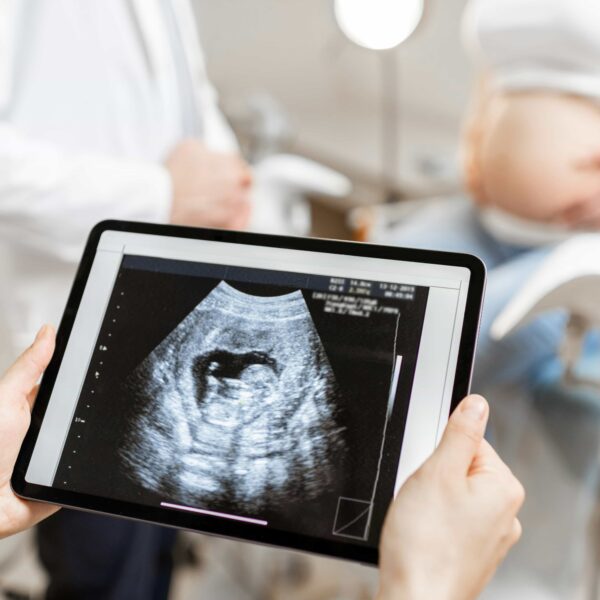
A pre-pregnancy check-up with a doctor can help identify areas that may require attention before trying for a baby, including fertility concerns, genetic risks, or chronic health conditions.

Diet and nutrition when preparing for pregnancy

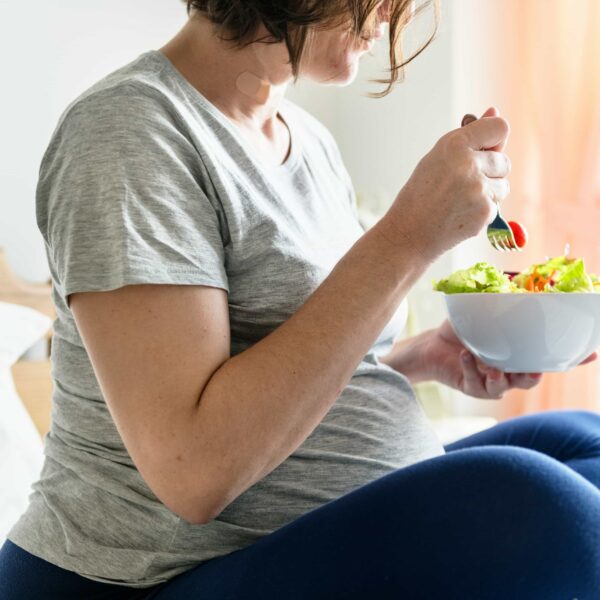
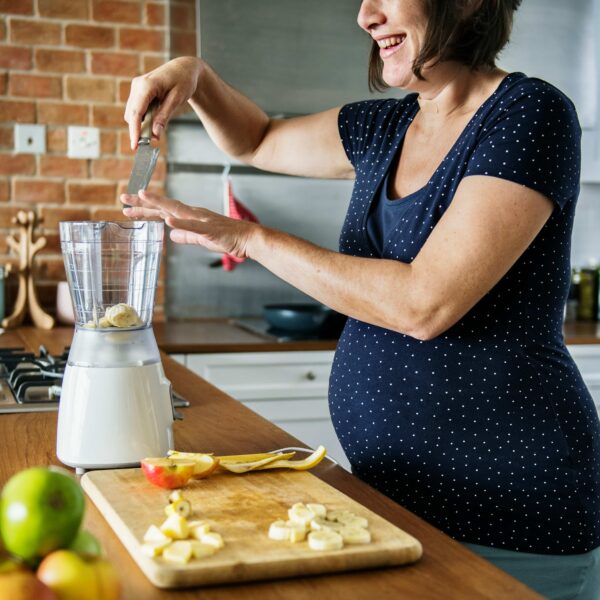
A balanced diet is an important part of preparing for pregnancy. Women trying for a baby are generally encouraged to eat a variety of vegetables, fruits, grains, lean proteins, dairy products, and healthy fats while reducing highly processed foods where possible.

Folic acid and iodine

Certain nutrients are particularly important during the preconception stage.

Folic acid is recommended before pregnancy and during early pregnancy to help reduce the risk of neural tube defects and support early brain and spinal development in the baby.

Iodine is also recommended when planning for pregnancy, during pregnancy, and while breastfeeding as it plays an important role in fetal brain development.


Weight, exercise, and fertility health

Maintaining a healthy weight can positively influence fertility health and pregnancy outcomes. Being overweight or underweight may affect fertility and increase the risk of pregnancy complications.

Regular moderate exercise may help improve fertility, particularly for individuals who are overweight or obese. Healthy lifestyle habits established during the preconception stage can support both short and long-term health outcomes for parents and babies.


Smoking, alcohol, and lifestyle factors

Lifestyle habits can significantly impact both fertility and pregnancy outcomes

Smoking may reduce egg quality and ovarian reserve in women while also affecting sperm quality in men. Smoking during pregnancy may also affect placental function and fetal development.

Alcohol and illicit drugs may negatively affect fertility and the developing baby. For women planning for pregnancy, avoiding alcohol and illicit drugs is considered the safest option.

Environmental exposures may also be important to consider. Reducing exposure to toxins, infections, and radiation at home, work, or during travel may help support healthier pregnancy outcomes.


Medical conditions and medications

Managing existing medical conditions before pregnancy can help improve pregnancy outcomes and reduce the risk of complications. Conditions such as diabetes, thyroid disorders, and high blood pressure may require review before conception.

It is also important to review all medications, supplements, and over-the-counter products with a doctor before trying for a baby, as some medications may not be suitable during pregnancy.


Male fertility health

Preparing for pregnancy is not only focused on female reproductive health. Male health and wellbeing can also play an important role when trying for a baby, particularly as sperm quality may be influenced by everyday lifestyle and environmental factors.

Smoking, excessive alcohol intake, poor diet, obesity, certain medications, and illicit drug use may all affect sperm production and fertility. Long-term health conditions, stress, and exposure to toxins or heat may also contribute to reduced fertility in some men. Making positive lifestyle changes before conception may help support healthier sperm quality and improve overall reproductive health for both partners.

Book a consultation

If you are planning for pregnancy, preparing for pregnancy, or would like personalised advice regarding fertility health and preconception care, speaking with a healthcare professional can help you better understand your reproductive health and pregnancy planning options.

Frequently asked questions

When should I start preparing for pregnancy?
It is generally recommended to begin preparing for pregnancy at least several months before trying for a baby. This allows time to optimise fertility health, begin recommended supplements such as folic acid, and address any medical or lifestyle factors that could affect pregnancy outcomes.

What supplements should I take when planning for pregnancy?
Folic acid and iodine are commonly recommended during the preconception stage and early pregnancy. Your doctor may also recommend additional supplements depending on your health, diet, or medical history.

Does weight affect fertility health?
Yes. Being underweight or overweight may affect fertility and increase the risk of pregnancy complications. Maintaining a healthy weight through balanced nutrition and regular exercise may help improve fertility health and pregnancy outcomes.

Should I stop drinking alcohol when trying for a baby?
For women planning for pregnancy, avoiding alcohol is considered the safest option. Alcohol may reduce fertility and can affect fetal development during pregnancy.

Why is a pre-pregnancy check-up important?
A pre-pregnancy check-up allows your doctor to review your overall health, medications, vaccinations, fertility health, and any existing medical conditions that may affect conception or pregnancy. It can also help identify steps that may support a healthier pregnancy journey.