

-

Heavy Menstrual Bleeding

Experiencing occasional changes in your menstrual cycle is common, but consistently heavy menstrual bleeding can significantly impact your quality of life. Also known as menorrhagia, heavy periods can affect work, exercise, social activities, and overall wellbeing. In some cases, excessive blood loss may also lead to iron deficiency or anaemia.

Understanding the causes, symptoms, and treatment options available can help women seek appropriate care and improve their long-term health.

What Is Heavy Menstrual Bleeding?

Heavy menstrual bleeding refers to menstrual blood loss that is heavier than normal or lasts longer than expected. While every woman’s cycle is different, heavy periods may involve soaking through sanitary products every hour, bleeding for more than seven days, or frequently passing large blood clots in your period flow.

Many women wonder, “Why is my period so heavy this month?” While temporary hormonal fluctuations can sometimes cause changes in menstrual flow, ongoing heavy bleeding should be assessed by a healthcare professional.

Some women may also experience painful and heavy periods, which can indicate an underlying gynaecological condition requiring further investigation.

What Causes Heavy Periods?

There are several potential causes of menorrhagia, ranging from hormonal factors to structural abnormalities within the uterus.

Common causes include:

  • Hormonal imbalances affecting ovulation
  • Uterine fibroids
  • Endometrial or cervical polyps
  • Adenomyosis
  • Endometriosis
  • Blood clotting disorders
  • Certain medications
  • Perimenopausal hormonal changes

Fibroids and polyps can increase the surface area of the uterine lining, leading to heavier menstrual flow. Conditions such as adenomyosis and endometriosis may contribute to both painful and heavy periods, which makes early diagnosis particularly important.

Signs You’re Losing Too Much Blood During Your Period

Many women are unsure whether their bleeding is considered normal. Recognising the signs that you’re losing too much blood during your period can help identify when medical assessment may be needed.

The warning signs include:

  • Needing to change pads or tampons every one to two hours
  • Passing large blood clots
  • Bleeding through clothing or bedding
  • Feeling unusually tired or fatigued
  • Shortness of breath during everyday activities
  • Dizziness or light-headedness
  • Low iron levels or diagnosed anaemia

Persistent heavy bleeding should never be ignored, particularly if it is affecting your daily activities or overall wellbeing.

How Is Heavy Menstrual Bleeding Diagnosed?

Diagnosing the cause of heavy menstrual bleeding typically begins with a detailed medical history and physical examination.

Your doctor may recommend:

  • Blood tests to assess iron levels and hormone function
  • Screening for bleeding disorders
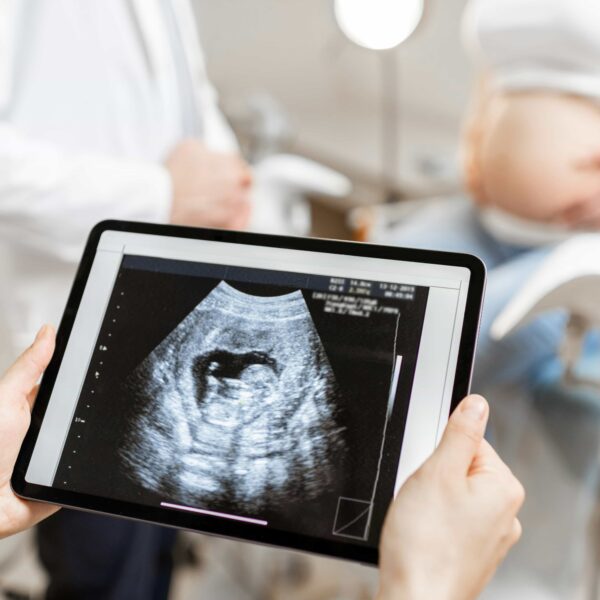
  • Pelvic ultrasound scans
  • Hysteroscopy to examine the uterine cavity
  • Additional investigations if required

These assessments help determine whether structural abnormalities such as fibroids or polyps are contributing to symptoms and guide the most appropriate treatment plan.

Treatment Options for Menorrhagia

Treatment for heavy periods depends on the underlying cause, symptom severity, future fertility plans, and personal preferences.

Non-surgical treatment options may include:

  • Hormonal therapies
  • Oral contraceptive medications
  • Progesterone treatments
  • Non-hormonal medications such as tranexamic acid
  • Iron supplementation when iron deficiency is present

Tranexamic acid is commonly prescribed to help reduce menstrual blood loss and may be suitable for women who prefer non-hormonal treatment options.

For women whose symptoms do not improve with medication, surgical procedures may be considered. These can include:

  • Hysteroscopy
  • Removal of polyps or fibroids
  • Endometrial ablation
  • Hysterectomy in selected cases

The most appropriate treatment will depend on the individual’s circumstances and long-term health goals.

When to See a Specialist

If you are experiencing heavy menstrual bleeding, painful and heavy periods, seeking specialist advice can help identify the cause and provide effective treatment options.

Dr J provides comprehensive assessment and management of heavy periods, menorrhagia, and other gynaecological conditions. To learn more or book an appointment, visit our Gynaecology Services or Contact page to discuss a personalised treatment plan.