
-

Exercise during pregnancy

Staying active during pregnancy can support both your physical and mental wellbeing. For most women with an uncomplicated pregnancy, regular exercise is considered safe and beneficial, although the type and intensity of exercise that is appropriate may change as your pregnancy progresses.

If you exercised regularly before becoming pregnant, you may be able to continue many of the activities you already enjoy with some modifications. If you weren’t particularly active before pregnancy, you can usually introduce gentle exercise gradually.

Every pregnancy is different, so your exercise routine should take into account your previous fitness level, stage of pregnancy and any medical or pregnancy-related considerations.

What are the benefits of exercise during pregnancy?

Regular physical activity can help your body adapt to the changes that occur throughout pregnancy. Staying active may help to:

  • Maintain cardiovascular fitness and muscle strength
  • Support healthy weight gain
  • Improve mood and general wellbeing
  • Maintain mobility as your pregnancy progresses
  • Reduce some common pregnancy discomforts
  • Prepare your body for the physical demands of labour and recovery

Exercise is just one part of maintaining your health during pregnancy, alongside nutrition, sleep and regular antenatal care.

What exercise is safe during pregnancy?

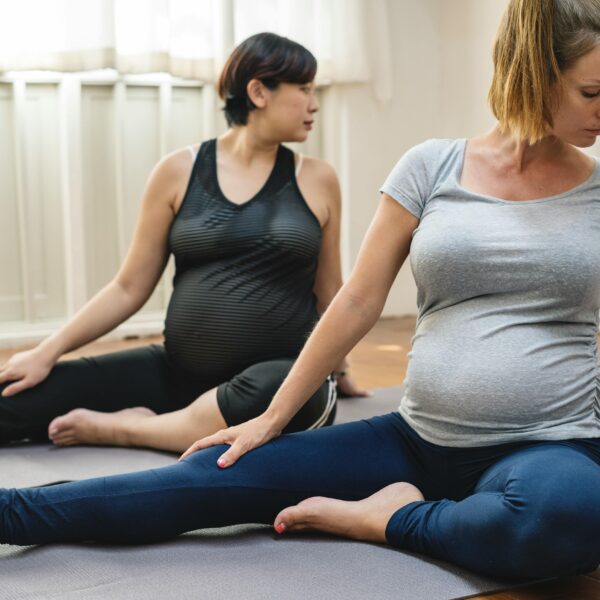
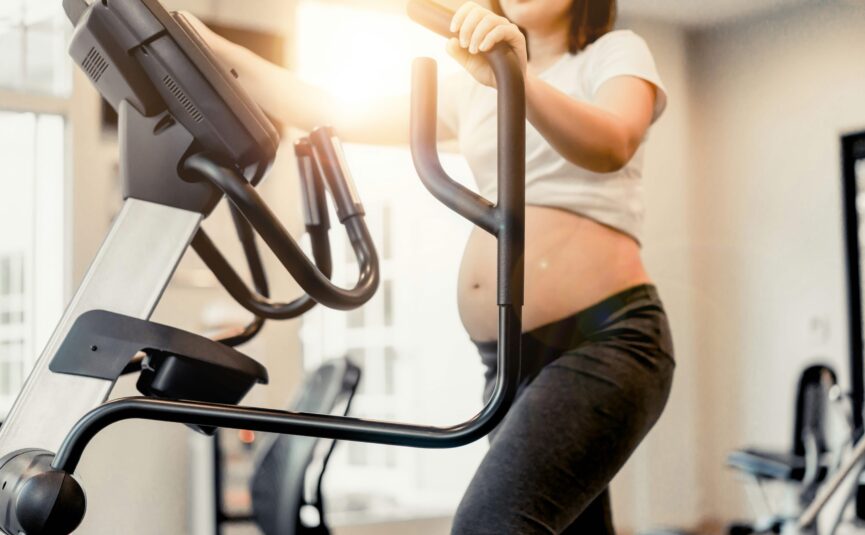
For uncomplicated pregnancies, suitable activities may include walking, swimming, stationary cycling, low-impact aerobic exercise and pregnancy-appropriate strength training.

If you already exercise regularly, you may not need to stop simply because you are pregnant. However, your routine may need to change as your body changes.

During pregnancy, your centre of gravity shifts and changes to your joints and ligaments can affect balance and movement. Exercises that felt comfortable during the first trimester may therefore need to be modified during the second or third trimester.

Activities with a significant risk of falling, collision or abdominal trauma are generally best avoided.

Can you lift weights during pregnancy?

Strength training can be appropriate for many women during pregnancy, particularly if it was already part of your routine.

Rather than focusing on maximum loads or personal bests, the aim should generally be to maintain strength using comfortable loads and controlled technique. Exercise selection, positioning and intensity may need to change as your pregnancy progresses.

If you are unsure whether your current gym program is appropriate, discuss it with your doctor rather than assuming you need to stop exercising altogether.

Exercise during each trimester

During the first trimester, fatigue, nausea and other early pregnancy symptoms may affect how much exercise feels comfortable.

During the second trimester, your growing abdomen and changing centre of gravity may require modifications to certain exercises. This is also a good time to consider pelvic floor exercises as either a replacement or addition to your exercise schedule.

By the third trimester, exercise may naturally become gentler. Walking, swimming and other low-impact activities can be useful ways to remain active as you approach labour.

The goal isn’t to maintain exactly the same exercise capacity throughout pregnancy. What matters is finding an appropriate level of activity for you and your pregnancy.

When should you stop exercising during pregnancy?

Stop exercising and seek medical advice if you experience symptoms such as vaginal bleeding, chest pain, dizziness or fainting, significant shortness of breath, painful contractions, fluid leaking from the vagina or significant abdominal, pelvic or calf pain.

Changes in your baby’s usual movements later in pregnancy should also be taken seriously, so it’s important to understand what to expect from normal fetal movement patterns and when a change may need medical attention.

Some medical conditions or pregnancy complications may also mean your exercise routine needs to be modified. Your individual circumstances can be discussed as part of your regular pregnancy appointments.

Staying active throughout pregnancy

There is no single exercise routine that is right for every pregnant woman. Someone who was highly active before pregnancy will have different needs from someone who is beginning exercise for the first time.

For most uncomplicated pregnancies, the aim is to remain comfortably active while adapting your routine as your body and pregnancy change.

If you are unsure whether a particular exercise or activity is appropriate, speak with a fertility specialist for advice based on your individual pregnancy journey.

Frequently asked questions